
320L Gas Fryer
Category


Share to
- Details
-
Commercial Gas Fryers for High-Volume andConsistent Frying
When you need to produce crispy French fries, fried chicken, chicken nuggets, seafood, onion rings, snacks, or other fried foods at commercial scale, you need a gas fryer that can deliver stable heating and reliable production.With your frying operation, you can choose a commercial gas fryer designed around your required oil capacity, heating capacity, frying temperature, production volume, gas type, and installation space.Whether you operate a restaurant, fast-food kitchen, central kitchen, catering business, or food processing facility, you can select a gas frying solution that matches your production requirements. As a professional fryer manufacturer, we can also help you configure the right commercial gas fryer equipment according to your product, capacity, layout, and local gas supply.
Commercial Gas Fryer for Your Business
When you choose a commercial gas fryer, you use natural gas or LPG to generate heat and transfer that heat into the frying oil.
Compared with small countertop frying equipment, commercial gas fryers are designed for more demanding production environments. You can use them for repeated frying cycles and high-volume food production while maintaining controlled frying temperatures.
You can configure your gas fryer according to:
- Oil capacity
- Frying capacity
- Gas type
- Heating power
- Tank configuration
- Frying temperature
- Production capacity
- Installation space
- Automatic or manual control
- Oil filtration requirements
Gas Fryer Models
400L Gas Fryer

Model
Size
Oil Capacity
Discharge Motor
JXMYZ-320
2000×950×1200mm
320L
1.1kw
JXMYZ-400
2300×950×1200mm
400L
1.1kw
Gas Fryer Parameters Why Choose a Gas Fryer?
1. Fast Heating and Temperature Recovery
When you place cold or room-temperature food into hot oil, the oil temperature naturally drops.Your fryer therefore needs enough heating capacity to recover the temperature quickly. A properly configured commercial gas fryer can provide high heat input and rapid temperature recovery, making it suitable for continuous or repeated frying operations.
2. Flexible Natural Gas or LPG Options
You can configure your gas fryer for different fuel requirements through the burner.
Depending on your market and installation conditions, you can choose:
- Natural Gas Fryer
- LPG Gas Fryer
3.Stable Frying Temperature
Commercial gas fryer can use temperature control systems to help you maintain the required frying temperature.Your frying quality depends heavily on temperature control. If your oil temperature is too low, your products can absorb excessive oil and develop poor texture.If the temperature is too high, your product surface can brown too quickly while the inside remains undercooked.Typical commercial frying applications operate around 160–190°C (320–375°F), although your actual temperature should be determined by your specific product and recipe.
Gas Fryer Applications
∗ French Fries
You can fry frozen or fresh-cut French fries with controlled frying temperatures and consistent residence time.
∗ Fried Chicken
You can use a high-capacity gas fryer for chicken pieces, chicken wings, chicken strips, and other breaded chicken products.
∗ Chicken Nuggets
For commercial chicken nugget production, you can integrate the gas fryer into a larger nugget processing line.
∗ Seafood
You can fry fish, shrimp, squid, calamari, and other seafood products according to your recipe requirements.
∗Snacks
You can also use your gas fryer for:
- Onion rings
- Potato snacks
- Croquettes
- Spring rolls
- Fried vegetables
- Breaded products
- Other battered foods
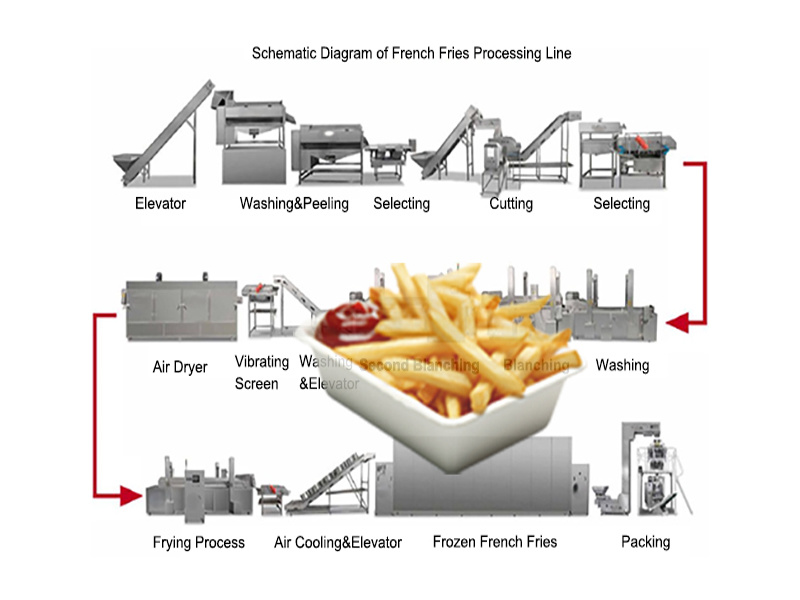
For food factories, you can further combine the fryer with batter applicators, breading machines, conveyors, oil filtration systems, cooling systems, and packaging equipment.
FAQ
1. What is a Gas Fryer?
A gas fryer is a commercial frying machine that uses natural gas or LPG to heat cooking oil. You can use a gas fryer to cook French fries, fried chicken, chicken nuggets, seafood, snacks, and other deep-fried foods.For commercial production, you can select the fryer according to oil capacity, heating capacity, gas type, frying temperature, and required output.
2.How Does a Commercial Gas Fryer Work?
Commercial gas fryer burns natural gas or LPG through a burner system. The generated heat transfers to the frying oil through the fryer heating structure.
When the oil reaches your target temperature, the control system regulates the heating. When you add cold food and the temperature drops, the heating system increases heat input to recover the target temperature.
3. Is a Gas Fryer Better Than an Electric Fryer?
You should choose according to your site conditions and production requirements.
A gas fryer can provide high heat input and rapid temperature recovery, which can be useful for high-volume frying. An electric fryer can be easier to install in locations where gas infrastructure is unavailable.You should compare energy availability, operating cost, heating capacity, installation requirements, maintenance, and production volume before choosing your heating method.
- Details
-
Commercial Gas Fryers for High-Volume andConsistent Frying
When you need to produce crispy French fries, fried chicken, chicken nuggets, seafood, onion rings, snacks, or other fried foods at commercial scale, you need a gas fryer that can deliver stable heating and reliable production.With your frying operation, you can choose a commercial gas fryer designed around your required oil capacity, heating capacity, frying temperature, production volume, gas type, and installation space.Whether you operate a restaurant, fast-food kitchen, central kitchen, catering business, or food processing facility, you can select a gas frying solution that matches your production requirements. As a professional fryer manufacturer, we can also help you configure the right commercial gas fryer equipment according to your product, capacity, layout, and local gas supply.
Commercial Gas Fryer for Your Business
When you choose a commercial gas fryer, you use natural gas or LPG to generate heat and transfer that heat into the frying oil.
Compared with small countertop frying equipment, commercial gas fryers are designed for more demanding production environments. You can use them for repeated frying cycles and high-volume food production while maintaining controlled frying temperatures.
You can configure your gas fryer according to:
- Oil capacity
- Frying capacity
- Gas type
- Heating power
- Tank configuration
- Frying temperature
- Production capacity
- Installation space
- Automatic or manual control
- Oil filtration requirements
Gas Fryer Models
320L Gas Fryer
400L Gas Fryer
Model
Size
Oil Capacity
Discharge Motor
JXMYZ-320
2000×950×1200mm
320L
1.1kw
JXMYZ-400
2300×950×1200mm
400L
1.1kw
Gas Fryer Parameters Why Choose a Gas Fryer?
1. Fast Heating and Temperature Recovery
When you place cold or room-temperature food into hot oil, the oil temperature naturally drops.Your fryer therefore needs enough heating capacity to recover the temperature quickly. A properly configured commercial gas fryer can provide high heat input and rapid temperature recovery, making it suitable for continuous or repeated frying operations.
2. Flexible Natural Gas or LPG Options
You can configure your gas fryer for different fuel requirements through the burner.
Depending on your market and installation conditions, you can choose:
- Natural Gas Fryer
- LPG Gas Fryer
3.Stable Frying Temperature
Commercial gas fryer can use temperature control systems to help you maintain the required frying temperature.Your frying quality depends heavily on temperature control. If your oil temperature is too low, your products can absorb excessive oil and develop poor texture.If the temperature is too high, your product surface can brown too quickly while the inside remains undercooked.Typical commercial frying applications operate around 160–190°C (320–375°F), although your actual temperature should be determined by your specific product and recipe.
Gas Fryer Applications
∗ French Fries
You can fry frozen or fresh-cut French fries with controlled frying temperatures and consistent residence time.
∗ Fried Chicken
You can use a high-capacity gas fryer for chicken pieces, chicken wings, chicken strips, and other breaded chicken products.
∗ Chicken Nuggets
For commercial chicken nugget production, you can integrate the gas fryer into a larger nugget processing line.
∗ Seafood
You can fry fish, shrimp, squid, calamari, and other seafood products according to your recipe requirements.
∗Snacks
You can also use your gas fryer for:
- Onion rings
- Potato snacks
- Croquettes
- Spring rolls
- Fried vegetables
- Breaded products
- Other battered foods
For food factories, you can further combine the fryer with batter applicators, breading machines, conveyors, oil filtration systems, cooling systems, and packaging equipment.
FAQ
1. What is a Gas Fryer?
A gas fryer is a commercial frying machine that uses natural gas or LPG to heat cooking oil. You can use a gas fryer to cook French fries, fried chicken, chicken nuggets, seafood, snacks, and other deep-fried foods.For commercial production, you can select the fryer according to oil capacity, heating capacity, gas type, frying temperature, and required output.
2.How Does a Commercial Gas Fryer Work?
Commercial gas fryer burns natural gas or LPG through a burner system. The generated heat transfers to the frying oil through the fryer heating structure.
When the oil reaches your target temperature, the control system regulates the heating. When you add cold food and the temperature drops, the heating system increases heat input to recover the target temperature.
3. Is a Gas Fryer Better Than an Electric Fryer?
You should choose according to your site conditions and production requirements.
A gas fryer can provide high heat input and rapid temperature recovery, which can be useful for high-volume frying. An electric fryer can be easier to install in locations where gas infrastructure is unavailable.You should compare energy availability, operating cost, heating capacity, installation requirements, maintenance, and production volume before choosing your heating method.
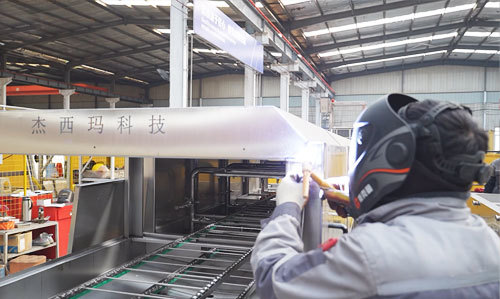
STRENGTH
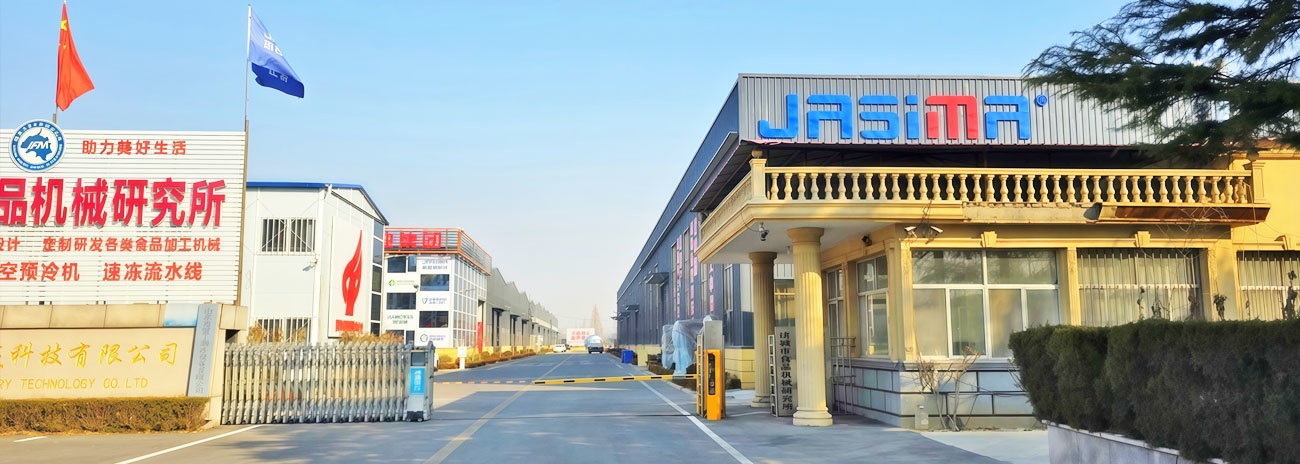

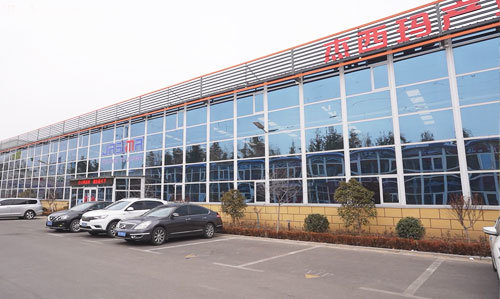
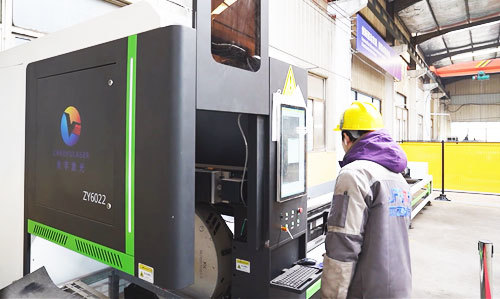
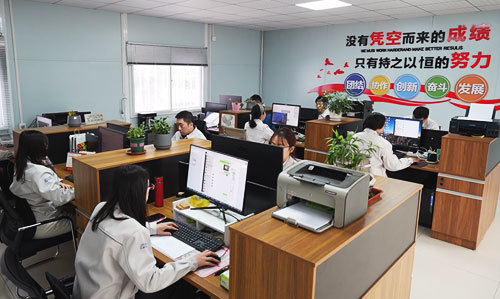
Certification
FAQ


Of course. You are welcomed to visit our factory along with your ingredients for free trial run. Professional technicians of technical support department will assist the operation throughout the process. Our technicians can make adjustment and consultation according to the needs of food products and the function of machines. You can acquire samples and operation skills from the test run for your references. Arrange a test run and tell us your needs via phone calls, emails or contact form below.
Of course. Skip the process of transformation, implementing automation to your production definitely worth the investment. Don’t worry. We have not only improved the machines but also the recipes of food products, actively developing over 15 new products every year. Saving you time and costs on researching and developing for automatic production. We provide turnkey solutions for both old and new customers with high quality food products and efficient production by multi-functional machines to boost their business.
Of course. JASIMA Machinery provides all kinds of meat deep processing machines for production lines. Additionally, we have experiences in constructing production lines for factory tours. Provide us your needs via phone calls, emails or contact form below for more services.
After the machine arrived, we will have technician install the machine, carry out a trial run with your recipe, and demonstrate the operation, disassembling, and cleaning process for you to pick up quickly.
Inquire Now
Note: Please leave your email address, our professionals will contact you as soon as possible!



Phone:+86-15006685766
WhatsApp:+86-15006685766
Web:https://www.jasimagroup.com
E-mail:admin@jasimagroup.com
Address: No.79, shungeng road, zhucheng city, weifang city,shandong province
Copyright © 2025 Shandong Jasima machinery technology